Storage Facilities Insurance Basics for Richmond Renters
Storage facilities in Richmond hold furniture, family records, and business stock for renters every day. Before you rent, insurance is one of the first things to plan for. This guide explains what protects your belongings, how to check your coverage, and how to prepare before move-in day.
Why Insurance Matters at Storage Facilities
Renting a unit can feel simple. You sign a lease, carry in your boxes, and lock the door. But your belongings still need protection while they sit in storage. Storage facilities in Richmond keep units gated and monitored, yet no facility can cover your items for you. That job falls to your own insurance or a protection plan you choose.
Many renters are surprised by this. A fire, a break-in, or a burst pipe can damage furniture, electronics, and papers in minutes. Knowing what your coverage includes before you move in saves time and stress later.
Questions to Ask the Facility Before You Sign
Before you sign a lease, ask the staff at your chosen storage facilities a few direct questions. Ask whether the facility requires proof of insurance at move-in. Ask whether it offers a tenant protection plan, what that plan covers, and what it excludes.
Ask about access as well. Find out the gate hours, whether the site has security cameras, and whether units sit at ground level.
Check Your Homeowners or Renters Policy First
Start with the policy you already have. Many homeowners and renters policies cover personal belongings even when those items are stored off-site. Some policies have limits on how much they pay for property kept away from home, so look for that number.
Call your insurance agent and ask three questions. Does my policy cover items in a storage unit? What is the dollar limit for off-site property? Does coverage apply to business inventory? The answers will tell you whether you need extra protection.
What Tenant Protection Plans Usually Cover
Many storage facilities offer a tenant protection plan at move-in. These plans typically cover losses from burglary, fire, smoke, and some kinds of water damage. Coverage for flooding is often excluded, so ask the facility directly if flooding is a concern where you live.
A protection plan is a separate product from your lease. Read the terms before you sign, and compare the monthly cost with the value of what you plan to store. For valuable furniture or records, the monthly fee may be worth it, so weigh it against what you would lose.
Many renters also overlook the value of checking the lease itself. Look for clauses about late fees, lien sales, and what happens after a missed payment. A clear lease protects both you and the facility, and it shows how the operator handles problems before they start.
Keep Records That Support a Claim
A claim is only as strong as the proof behind it. Before you pack, make a list of every item in the unit, including its approximate value. Take photos or short videos of each item, and keep receipts for large purchases.
Store these records somewhere other than the unit itself. A cloud folder or a copy in your email works well. If you ever need to file a claim, the list and photos give the insurer what it needs to move quickly.
Pack Smart to Reduce Risk
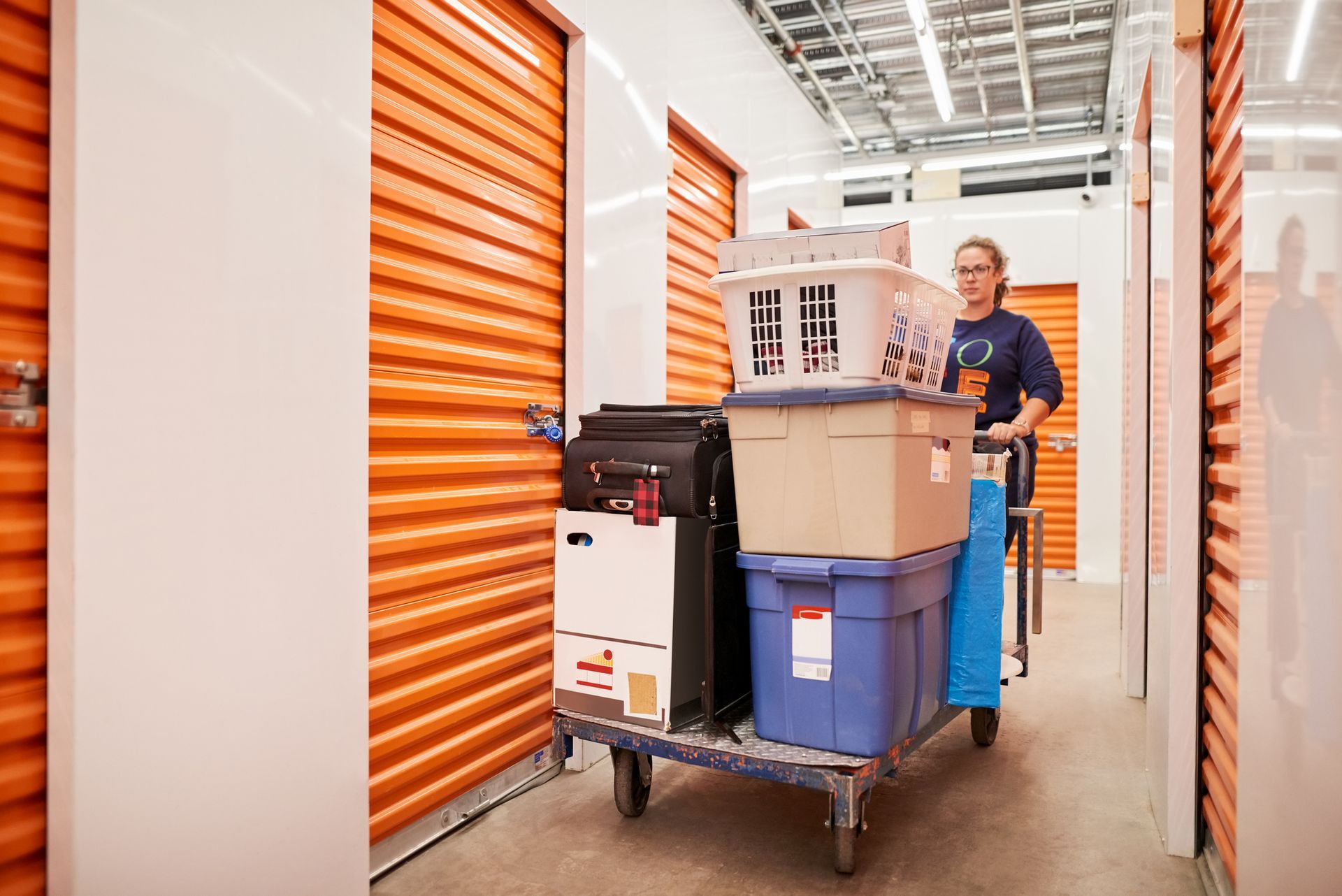
Good packing is the first line of defense. Use sealed plastic bins rather than cardboard for long-term storage, since cardboard can absorb moisture and attract pests. Elevate boxes on pallets and leave a small gap between items and the walls.
Cover furniture with breathable moving blankets instead of plastic wrap, which can trap humidity. Never store food, and keep hazardous items such as gasoline or paint out of the unit entirely. The rules for each facility are in your lease, and the staff can confirm what is allowed.
Choose the Right Unit for Valuable Items
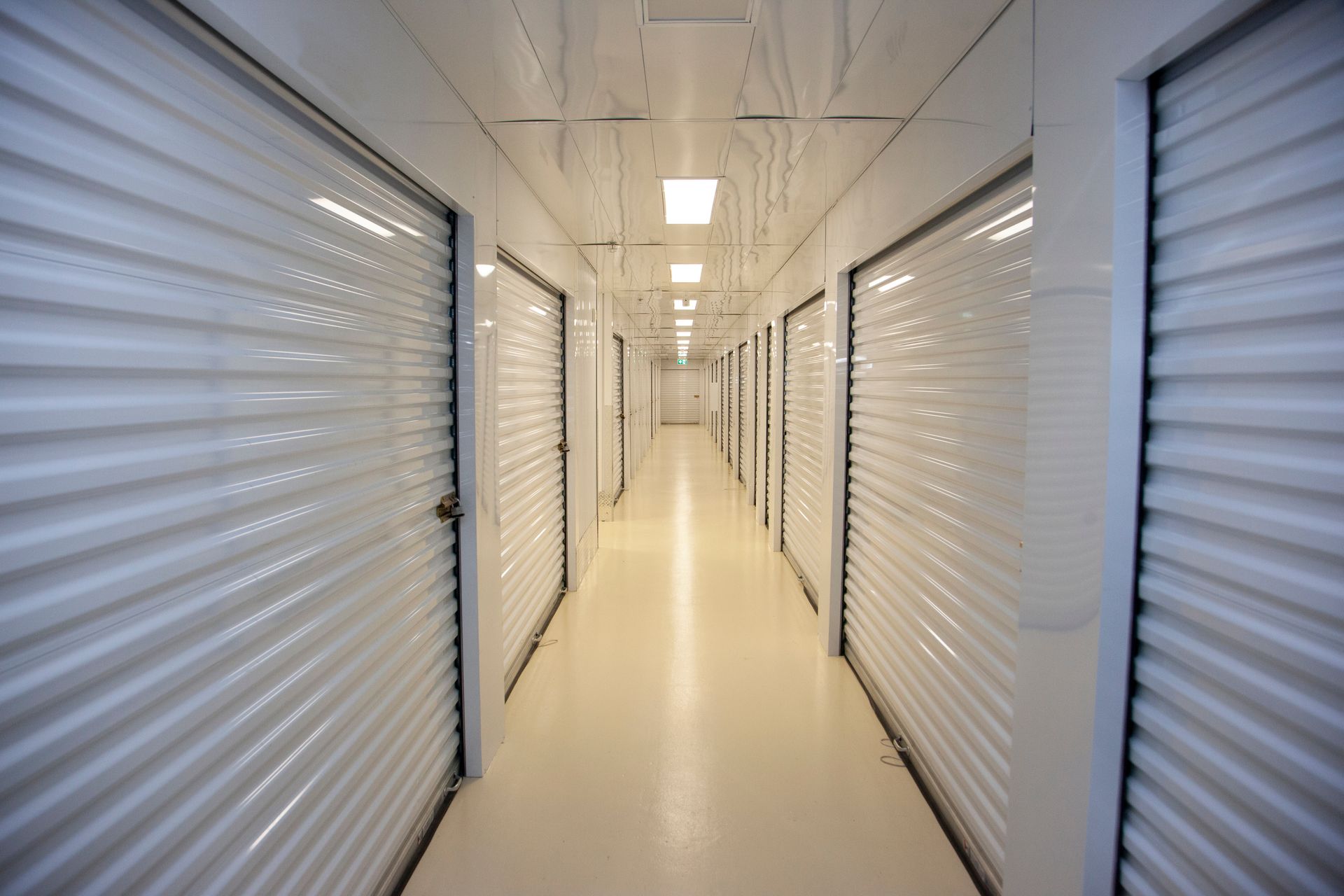
Some items need more care than others. Wood furniture, electronics, artwork, and important documents can warp, crack, or mildew in heat and humidity. For these belongings, a temperature-controlled unit is often the better choice. You can read more on the temperature-controlled storage unit page about which items benefit most.
Standard units work well for tools, outdoor gear, and seasonal decorations. Match the unit to the items, and the insurance question becomes much simpler.
Final Thoughts on Protecting Your Belongings
Insurance is not a single decision. It is a checklist you work through before the first box goes into the unit. Review your policy, ask about protection plans, document everything, and pack with care. Each step lowers your risk and makes a future claim easier.
Central Virginia Storage has served the Richmond area for over 30 years, with locally owned facilities, on-site managers, and month-to-month leases. Before you choose a storage facility, compare our locations and call the one closest to you with any questions about coverage or unit options.